
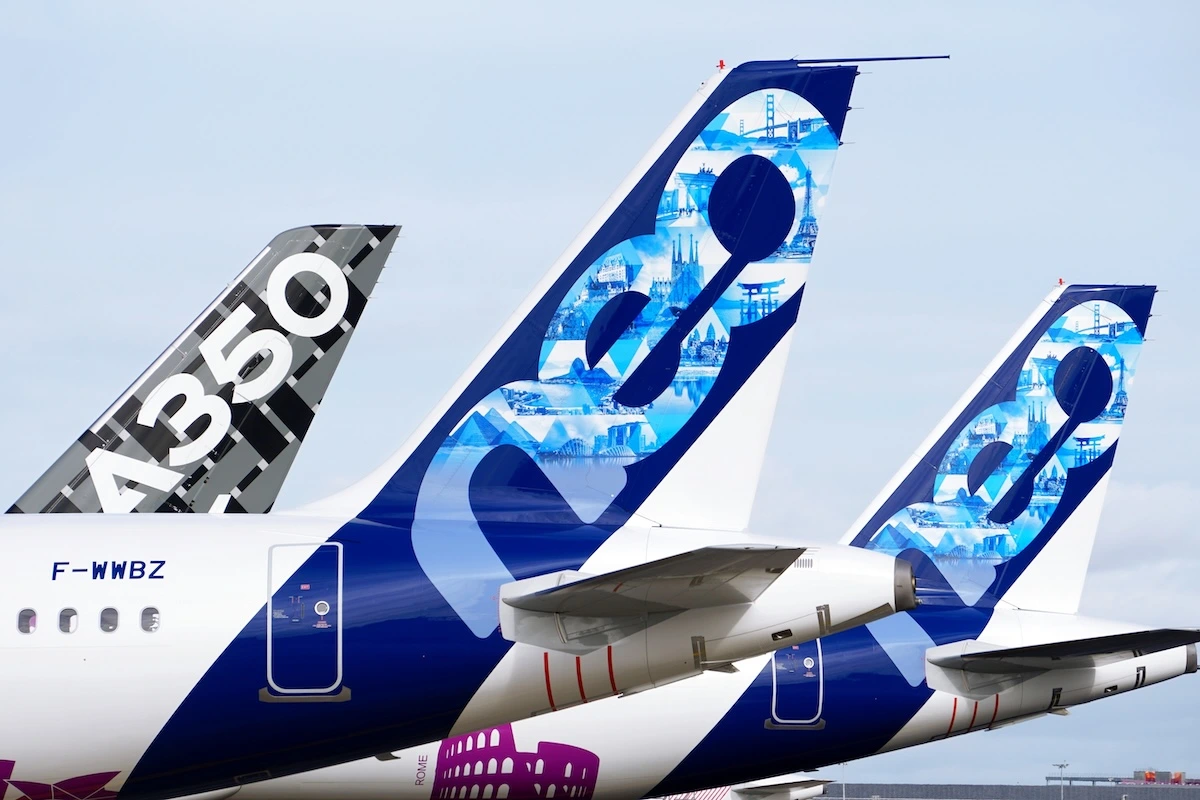
Airbus says 2026 has started uniquely, with an unprecedented number of crises affecting the planemaker’s operations.
Amid trade tensions, engine delays, production woes, the threat of tariffs, geopolitical risks, conflict, and more, Airbus is navigating new risks.
However, with demand surging for new planes, the manufacturer must overcome obstacles to ensure financial and operational stability.
Trade Tensions: A Lasting Impact
Amid an unsettling period, geopolitical tensions have been a persistent topic of discussion throughout 2025 and into 2026.
Airbus’ CEO Guillaume Faury comments on those tensions in an internal letter seen by Reuters, saying the industrial landscape is being hit by confrontation on multiple fronts.
Trade pressures, according to the manufacturer, have already caused significant damage, both logistically and financially; the collateral has been substantial.
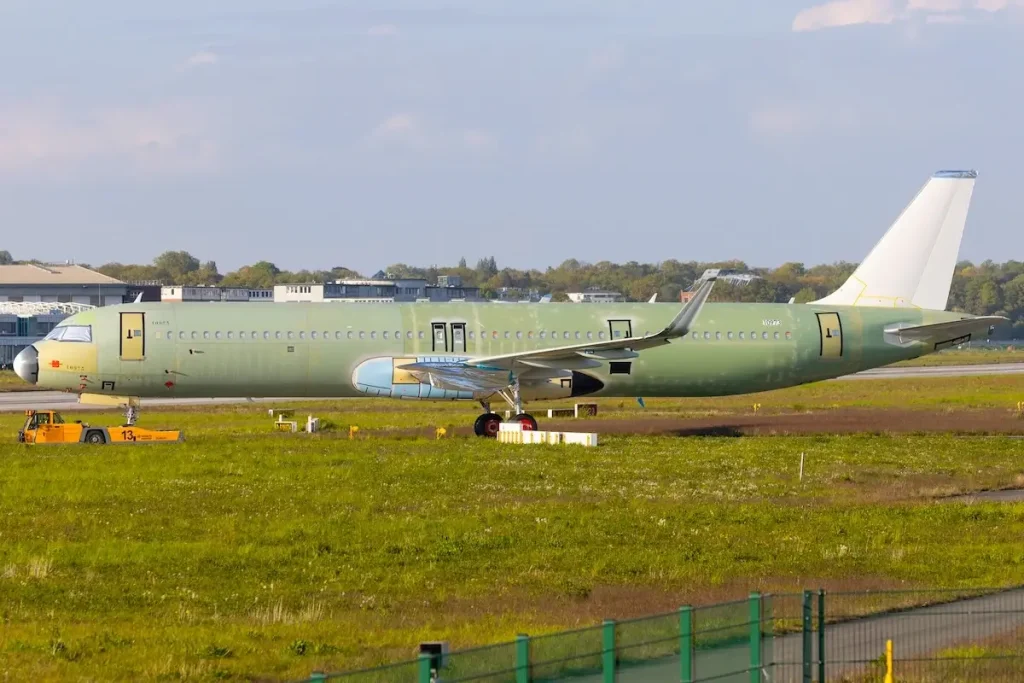
The persistent threat of tariffs, spurred by U.S. President Donald Trump, has pressured the planemaker in multiple ways and underscored ongoing U.S.-China tensions.
Although tariffs have been a persistent threat and trade tensions have affected the business, the CEO described the 2025 results as good, commending employees for making the year successful despite the obstacles.
Engine Delays Hurt Airbus Production
Aside from trade tensions, Airbus continues to face engine delays and production issues, preventing output from reaching optimal levels.
Before his departure, former CEO Christian Scherer highlighted the Pratt & Whitney engine crisis, which was affecting not only airlines with delivered aircraft powered by this engine but also production.
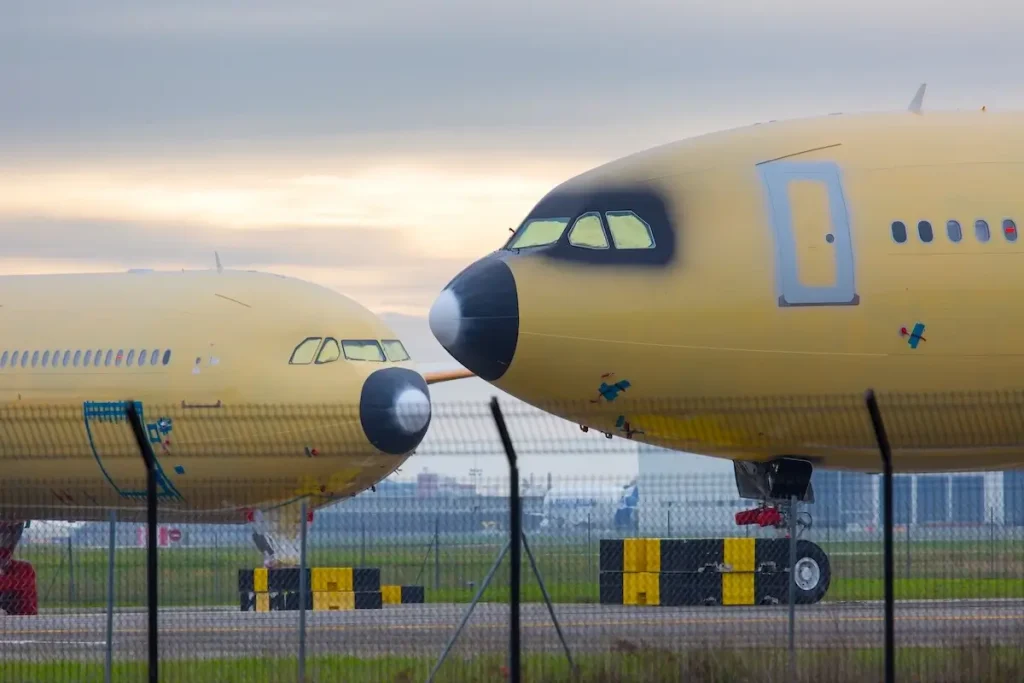
Scherer said engine deliveries to Airbus factories were occurring very late. Despite ongoing talks, this trend has persisted for some time, leaving dozens of jets assembled but awaiting their engines.
The delayed arrival of engines affects output rates, adding further delays to new aircraft already arriving at airlines later than expected.
Bottom Line: Airbus Has Much To Learn and Navigate
Beyond engine and trade crises, the planemakers’ recent software recall on the A320neo family marked the largest in the company’s history and underscored the long road to stable operations.
The planemaker said it needed to be more rigorous in managing its systems and production processes to ensure such a recall does not happen again.
Fuary said that it was imperative that Airbus continued to navigate these challenges and the unprecedented number of crises to ensure stability not just for its employees and finances, but also for its customers, after years of uncertainty.
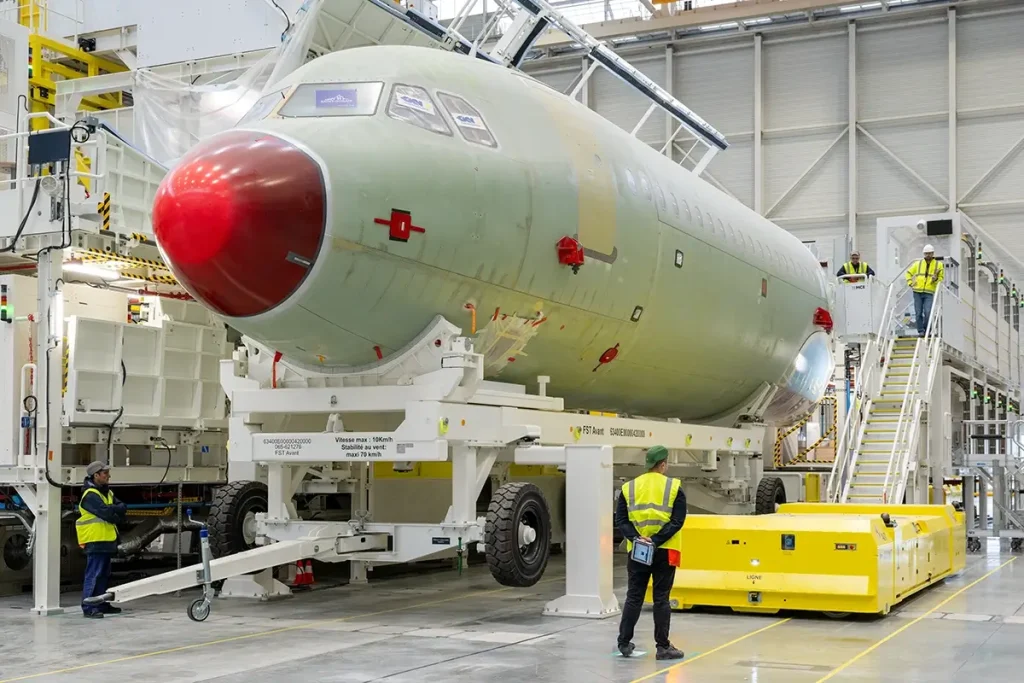
While supply chains have improved since the COVID-19 pandemic, disruptions remain that need to be addressed. Pratt & Whitney is a focus, but also CFM on the engine front.
Looking ahead, Airbus must stabilise and continue building what it describes as a war chest to fund the launch of a new commercial aircraft to replace the A320neo. Boeing is doing something similar with its 737 MAX, but it faces more challenges, including debt.

ABOUT THE AUTHOR
Daniel Fowkes is a Melbourne-based aviation analyst and journalist with over a decade of industry experience. As founder of Dj’s Aviation, he delivers trusted analysis on aircraft, airline strategy and global aviation trends for djsaviation.net
Related Articles




Stay Informed
Get the latest aviation news, analysis and route updates delivered to your inbox.
We respect your privacy. Unsubscribe at any time.
Enjoyed this story?
Make us your go-to for aviation news
Add us as a preferred source on Google and see our latest stories first in Top Stories.
Add Us On Your News Feed