

Airbus is dismantling its first A330-800 test aircraft, marking a significant turning point for the least successful variant in the A330neo program.
The airframe in question has spent years as the primary development and certification platform, and was retired at Airbus’ HQ in Toulouse, where it is now being parted out rather than converted for service with airlines across passenger operations.
The Airbus A330-800 Being Torn Down
MSN 1888, the Airbus A330-800 in question, is being torn down. This made its first flight in November 2018, during which it has accumulated hundreds of hours, enabling validation of the series’ performance metrics, ETOPS, and more.
However, ahead of the teardown, the jet was transported to Airbus sites and signed by thousands of employees as a farewell gesture, highlighting just how important the frame was internally to the success of the broader program, even if it was not picked up by an airline.

The ongoing dismantling process, documented by various plane spotters taking pictures from Toulouse, will see engines, landing gear, avionics, and other major structural parts removed for use as serviceable spares.
As a result, despite no longer being set to serve the passenger network globally, it will support the in-service fleet through its pool of spare parts, which will become available, as seen recently with the youngest-ever teardown of an Airbus A320neo aircraft that had previously flown with Spirit Airlines.
Why The Airbus A330-800 Has Struggled
The A330-800 is the smallest member of the neo family and today a modern replacement for the -200, offering around 25% better fuel burn, an enhanced range, a new wing, and an improved interior.
However, for Airbus, despite its key selling points, the aircraft has become the poorest-selling jet, with just a handful of models delivered, and its order book has failed to grow over the years, even with key customers such as Kuwait Airways and Air Greenland.
Where customers have found a need to replace their current engine options or to find an optimised mid-sized widebody, interest has centred primarily on the A330-900, which, while having sufficient range for operations with this plane, also offers a healthy capacity increase, allowing airlines to meet growing demand.

For Airbus, the switch isn’t a surprise. It is seen across the industry and in other next-generation families, such as the 787, 777X, and even Airbus’ own A320neo family, with the larger model in each family outperforming the smaller model due to its capacity, range, and versatility.
While the A330neo launched years ago, the emergence of the A321XLR as a single-aisle, lower-capacity but long-range alternative, all with super economics, has transformed the longer thin markets where airlines may have opted for the -800, all while delivering it on a far cheaper platform.
Who Flies The Airbus A330-800?
Just three airlines fly the smallest Airbus A330-800, a staggering small reach for an aircraft that Airbus would’ve hoped would perform significantly better than imagined.
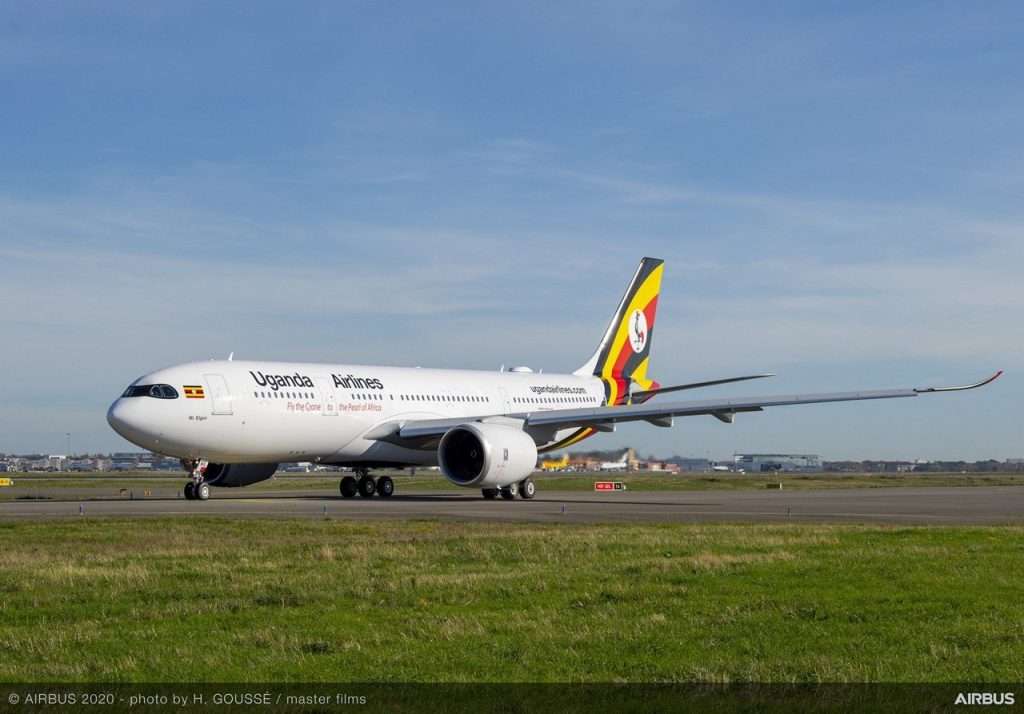
Kuwait Airways is the largest operator with four delivered -800 aircraft; this is followed by Uganada Airlines, which has two aircraft. These two, however, have been grounded recently due to ongoing maintenance issues that require immediate inspections and work.
Air Greenland is the last operator of the A330-800, with a lone unit delivered in December 2022, registered OY-GKN and part of the limited fleet of active Airbus A330-800 aircraft, according to the latest available data.

ABOUT THE AUTHOR
Daniel Fowkes is a Melbourne-based aviation analyst and journalist with over a decade of industry experience. As founder of Dj’s Aviation, he delivers trusted analysis on aircraft, airline strategy and global aviation trends for djsaviation.net
Related Articles




Stay Informed
Get the latest aviation news, analysis and route updates delivered to your inbox.
We respect your privacy. Unsubscribe at any time.
Enjoyed this story?
Make us your go-to for aviation news
Add us as a preferred source on Google and see our latest stories first in Top Stories.
Add Us On Your News Feed