

Airbus is moving forward with the launch of a new 160-seater A220-300, and European airlines are showing growing interest.
The new A220 is targeted for launch in 2028, following strong support from AirAsia earlier this year, which placed the largest-ever contract for the single-aisle family and committed to the high-density model.
The higher-density configuration adds 10 seats. It gives airlines the capacity they need on the family, while removing the need for customers to jump to a larger A320neo, which adds complexity.
Airbus has worked closely with customers to broaden the A220’s customer base and uses, but as interest in the A220-100 has dwindled, profitability has lagged and customer-base growth has slowed.
Speaking with Aviation Week at the European Regions Airline Association general assembly, Johan Pelissier, head of Commercial for Europe, said that between 30% and 40% of the sales campaigns he was following in Europe showed interest in the new layout option.
A high-density A220-300 coming in 2028?
The commercial launch of the A220-300 in a high-density configuration happened some time ago, and AirAsia strengthened it by confirming an order for 150 of the series. Airbus described the agreement as the largest for the programme and the launch of the 160-seater cabin.
Airbus plans to seek certification from Transport Canada in 2028, and deliveries would likely begin that year as well if the process goes smoothly. The timelines therefore place regulatory and customer approvals in the same year.
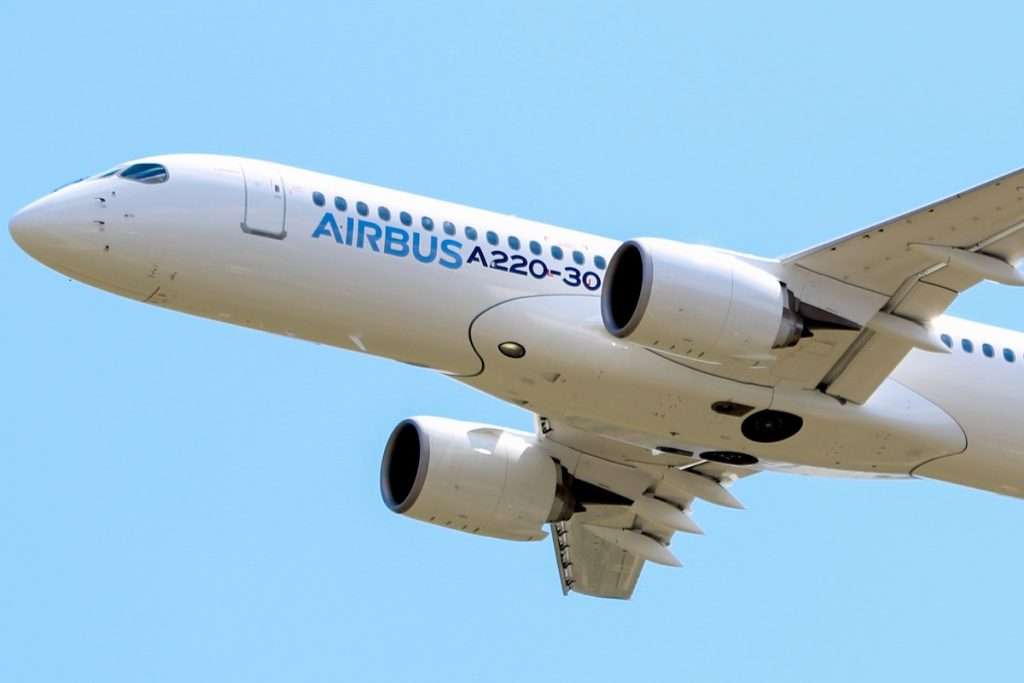
Airbus extracts more capacity from the single-aisle design thanks to the extra overwing emergency exit on each side of the aircraft. These exits make the higher passenger count feasible by meeting emergency evacuation requirements.
While emergency evacuations via slides are rare, it’s important, like aircraft certification, to cover all angles in a situation like this. For the modification to be possible, the planemaker must make these changes and obtain regulatory sign-off.
The 160-seater A220-300 model, however, is not an A220-500; the planemaker is also studying this stretch and expects to launch it sooner rather than later.
Where interest stands for the 160-seater model
For Airbus, the commercial appeal of its high-density A220-300 has been clear; otherwise, it would not move forward with the process to launch the type, and there are several reasons it works for companies.
The appeal comes as part of a move from 150 to 160 seats, improving capacity to better align with 2020s demand and spread operating costs. A nearly 7% capacity improvement is nothing for Airbus to say away and improves per-seat economics.
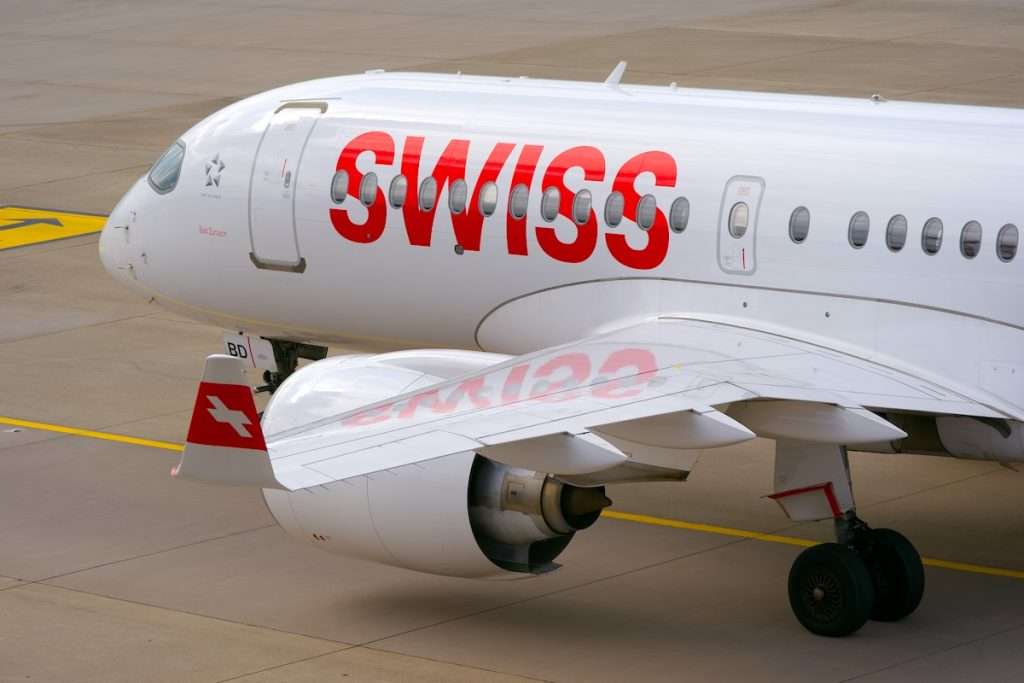
SWISS has removed its Airbus A220-100s and cited per-seat economic disadvantages compared with the larger variant, which it realized after choosing the smaller, more niche-oriented model instead of the A220-300. The same dynamic applies across other commercial families, where the smaller variant becomes less favourable.
AirAsia has been the launch customer and said the A220-300 will help match capacity more closely to demand and increase frequencies on established routes where larger narrow-body planes would be challenging to fill and make profitable.
While capital cities continue to grow in popularity, airlines such as AirAsia and beyond have emphasized the importance of regional growth in the coming decades, as population shifts put greater emphasis on smaller secondary markets where aircraft like the A220 will thrive.
For AirAsia, the jet’s role is clear; however, in Southeast Asia and Europe, this high-density type could free up larger aircraft for longer routes and combine critical network expansion with the flexibility to improve market share.

ABOUT THE AUTHOR
Daniel Fowkes is a Melbourne-based aviation analyst and journalist with over a decade of industry experience. As founder of Dj’s Aviation, he delivers trusted analysis on aircraft, airline strategy and global aviation trends for djsaviation.net
Related Articles




Stay Informed
Get the latest aviation news, analysis and route updates delivered to your inbox.
We respect your privacy. Unsubscribe at any time.
Enjoyed this story?
Make us your go-to for aviation news
Add us as a preferred source on Google and see our latest stories first in Top Stories.
Add Us On Your News Feed