

Airbus has confirmed it has received another order for its high-capacity A350-1000.
The top-up commitment sees China Airlines place a firm order for five additional aircraft, bringing its total to 15. These -1000s are specifically selected to complement the existing long-haul fleet and help power renewal.
At the time of the purchase, China Airlines said that the deal for additional A350-1000s was part of a long-term growth strategy, the -900, which already flies within the airline’s operation, proving to be a fantastic aircraft not just for performance metrics but also for passenger comfort.
As China Airlines moves forward, it wants greater efficiency across its day-to-day operations and to ensure passenger comfort is of the highest standard so that it can remain competitive in a hotly contested market.
Airbus said that it was pleased with the deal, calling China Airlines a long-standing customer for which a partnership is greatly valued. The agreement for the A350-1000 is also a decisive vote of confidence in the planemaker that the aircraft is the right choice for the airline.

As for the airline’s commitment to the A350, it is evident in the 15 delivered A350-900 aircraft, which average 8.3 years; this is the third-oldest fleet type by average age, older than the 777 and A321neo commitments, signalling a sign of the times for the business.
China Airlines’ Other Airbus Deal
It has been a busy year for China Airlines; aside from this latest contract for the A350-1000, a couple of other deals have also been announced, with Airbus getting a slice of the cake earlier in the year.
In June, the airline took the opportunity to confirm its commitment to more next-generation Airbus planes as part of a USD 2 billion investment, while, at that point, details on deployment, delivery, and configuration remained scarce. It involved two critical types.

Firstly, the airline was going to expand its single-aisle operations and focus on the short-haul network, with an agreement for eight Airbus A321neo jets sourced from Air Lease Corporation, with a carrying term of around 10 to 13 years, with the possibility to extend beyond that.
Additionally, China Airlines committed to adding five more A350-900s to its backlog, an increase from its previous reliance on the widebody program. It has therefore been quite the year for the A350 program with the Taiwan-based carrier through a handful of top-up purchases.
What About Boeing Orders?
All that to say, focusing on Airbus doesn’t mean the airline didn’t also look to its direct competitor, Boeing, for new planes, with a deal formally announced in May that included the 777X.
Becoming the first customer in Taiwan, the business returned to the 777 family, which has played a long-standing role in the company’s operations, purchasing 10 of the 777-9s. Additionally, its China Cargo division was to receive four of the 777-8Fs, a dedicated freighter set to arrive soon.
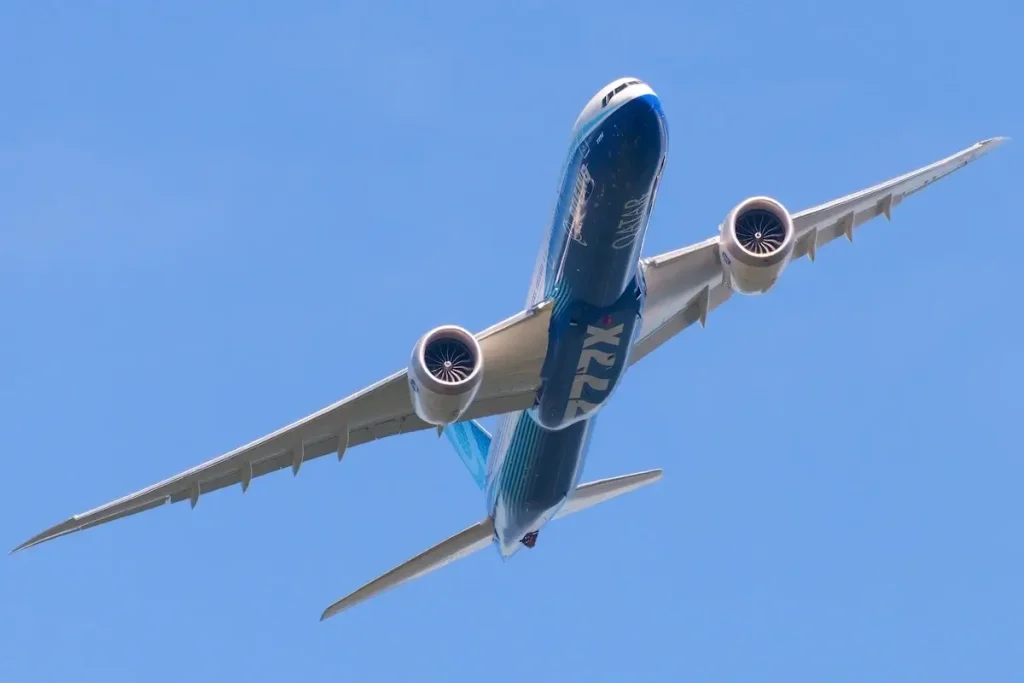
The firm deal was also complemented with the option to acquire a further five of the 777-9s and four more 777-8Fs if deemed neccesary at some point, becoming part of a still small customer base for these upcoming next-generation long-haul jets.
There remains significant scepticism among airlines about when the Boeing 777X will formally debut in the aviation industry, given all the pushbacks seen; however, the planemaker is relatively confident that 2027 will be the target for certification and first delivery.

ABOUT THE AUTHOR
Daniel Fowkes is a Melbourne-based aviation analyst and journalist with over a decade of industry experience. As founder of Dj’s Aviation, he delivers trusted analysis on aircraft, airline strategy and global aviation trends for djsaviation.net
Related Articles




Stay Informed
Get the latest aviation news, analysis and route updates delivered to your inbox.
We respect your privacy. Unsubscribe at any time.
Enjoyed this story?
Make us your go-to for aviation news
Add us as a preferred source on Google and see our latest stories first in Top Stories.
Add Us On Your News Feed