
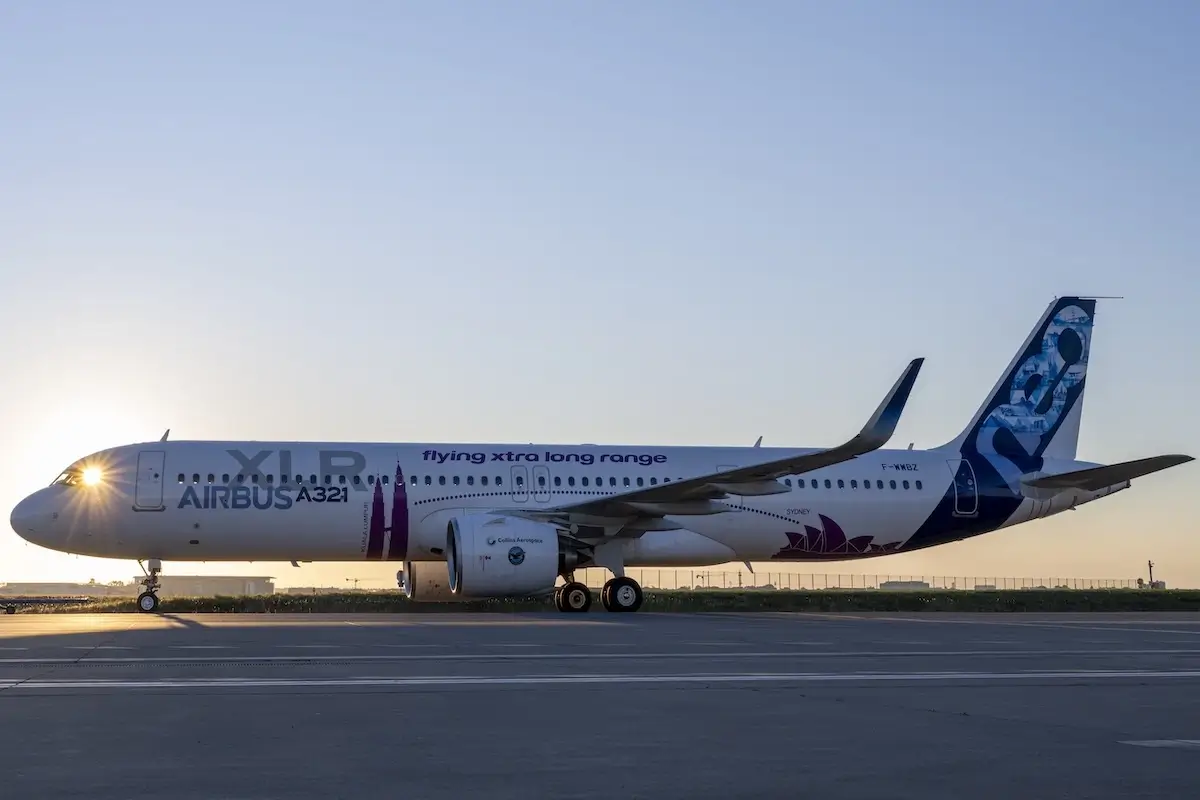
Wizz Air is formally moving ahead with plans to reduce its future fleet of Airbus A321XLRs, as confirmed in a recent quarterly briefing.
The budget European carrier is reducing its commitment to the next-generation product as part of plans to shift its focus away from the Middle East.
Previously, Wizz Air had planned to take on 47 of the A321XLR jets, with the commitment potentially increasing depending on how market conditions evolved.
Only a matter of months ago, the airline, welcoming the new aircraft type, hailed the jet as a game changer for the future of its operations as well.
Now, with the airline choosing to close its base in the Middle East and shift its long-term strategy away from this market, its requirement for having so many extra-long-range jets will not be the same as it once was.
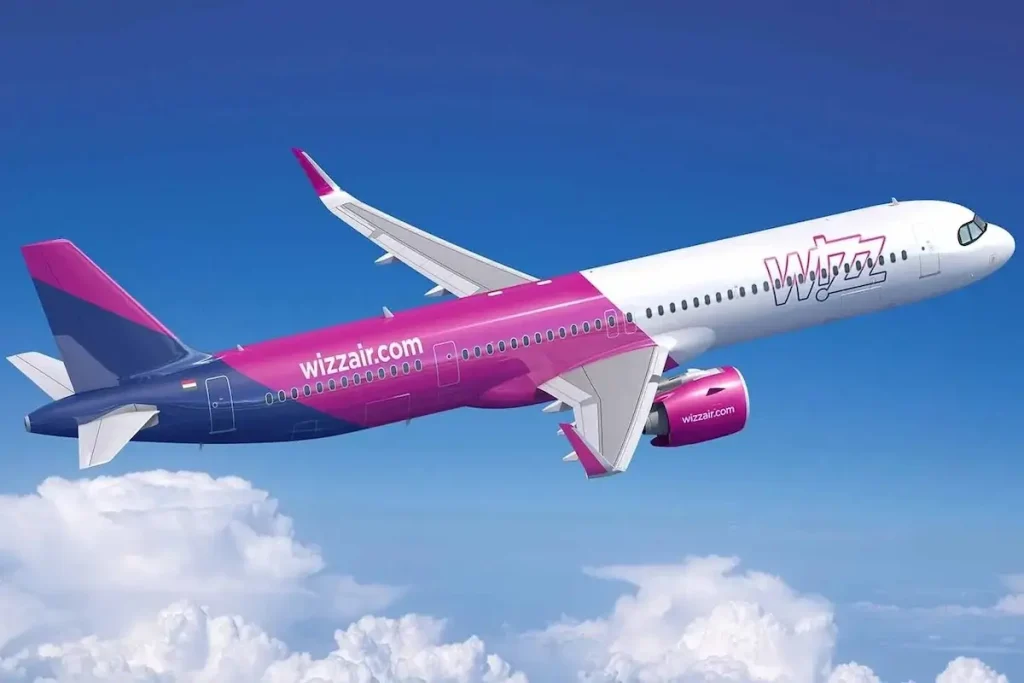
Instead, Wizz Air believes it’ll have just 10 to 15 of the A321XLRs in its fleet moving forward and instead looks towards adding more of the base model A321neos to serve its network.
Wizz Air Says Bye To A321XLRs
The deployment of the A321XLR to markets in the Middle East was expected to play a big role in the airline’s desire to operate this single-aisle type over other available models.
However, when Wizz Air confirmed its exit from the Middle Eastern market only a matter of weeks ago, the apparent need for the airline to retain A321XLR jets diminished considerably. But why did the airline depart the Middle East?
Wizz Air has not spent years developing its Middle Eastern network; therefore, some may perceive the decision to close this element of the business as a knee-jerk reaction. However, the carrier would argue the opposite.
There were several core reasons why the Middle East didn’t work out for the company; the A321XLR was involved in some of those, while others were also equally outside of the airline’s control.
In a ‘right place, wrong time’ scenario, the budget carrier confirmed that continued geopolitical tensions in neighbouring regions affected people’s desire to fly to these markets, altered flight paths, and impacted the bottom line.
However, it wasn’t just this; the A321neo family has been broadly affected by the Pratt & Whitney GTF engine crisis, which has resulted in planes being grounded, aircraft being delayed in delivery, and a negative impact on capacity and financial performance.
All in all, the airline’s Middle Eastern flights were performing below expectations, and instead of continuing with them, which would negatively impact the bottom line, changes have been made.
Instead, and without relying heavily on the A321XLR, Wizz Air will move forward with a greater focus on markets such as those in Europe, including the Central and Eastern regions, where it knows there is demand and performance will be solid.

ABOUT THE AUTHOR
Daniel Fowkes is a Melbourne-based aviation analyst and journalist with over a decade of industry experience. As founder of Dj’s Aviation, he delivers trusted analysis on aircraft, airline strategy and global aviation trends for djsaviation.net
Related Articles




Stay Informed
Get the latest aviation news, analysis and route updates delivered to your inbox.
We respect your privacy. Unsubscribe at any time.
Enjoyed this story?
Make us your go-to for aviation news
Add us as a preferred source on Google and see our latest stories first in Top Stories.
Add Us On Your News Feed