

Air India, the Tata Group-owned full-service carrier, is urgently pursuing fresh capital from Tata Sons and Singapore Airlines after posting a staggering $2.4 billion loss, far exceeding initial guidance.
This record loss, above the $1.6 billion internal estimates, comes amid a Middle East war, Pakistan airspace closures, long-standing system issues, safety woes, a fatal 787 accident and more.
The loss further derails the airline’s efforts to build on momentum in turning around the business despite strong investment, and the going will get tougher.
A $2.4 Billion Loss Dissected
Air India’s $2.4 billion FY2026 net loss reverses early operating profits and far exceeds previous projections, as the airline saw a year filled with multiple crises.
The June 12, 2025, A171 crash involving a Boeing 787 in Ahmebdead, which killed 241 onboard and claimed 19 on the ground, triggered the mass parking of one of its most important widebody families, lawsuits, an erosion of trust and damages to bookings.
The Pakistan airspace closure further increased fuel costs for the business, as it had to bypass restrictions when flying across Europe and Middle East routes, which represent an important part of its network, with the additional cost nearly impossible to absorb at such short notice.
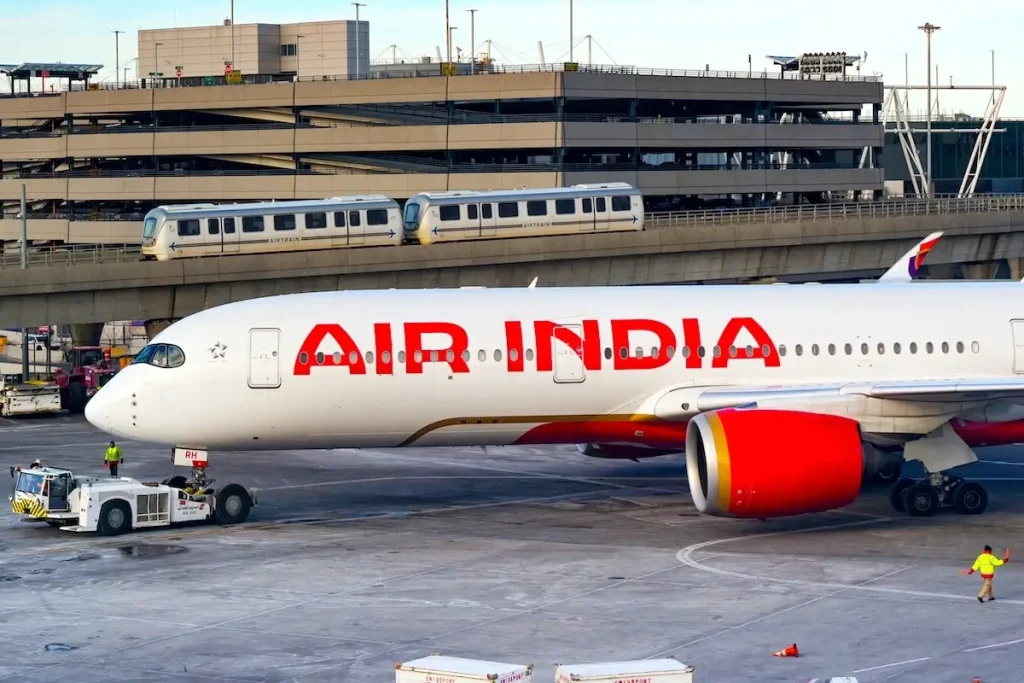
Now, at the beginning of 2026, the Middle East conflict has triggered a spike in jet fuel prices, availability, and global uncertainty, with mass schedule changes in service to this region, including suspensions, hitting costs hard.
The culmination of these crises in such a short period would be hard for any airline to navigate, let alone Air India, which has been loss-making for an extended period following its neglect under government ownership.
Turnaround Efforts Hurt By Expenses
Since the 2022 acquisition of Air India by Tata, billions have been poured into the flag-carrier, from an aircraft standpoint, with hundreds of next-generation jets from Airbus and Boeing on order to other pillars.
Tata has proceeded with the integration of Vistara, overhauled IT systems, retrofitted older aircraft to create a more standardised passenger experience, while also chasing breakeven in the pursuit of the now-exiting CEO Campbell Wilson.
However, with supply delays leaving aircraft not arriving on time and costs surging across multiple fronts, including from an employee standpoint, matching expenses with stronger incoming revenue has been complicated.
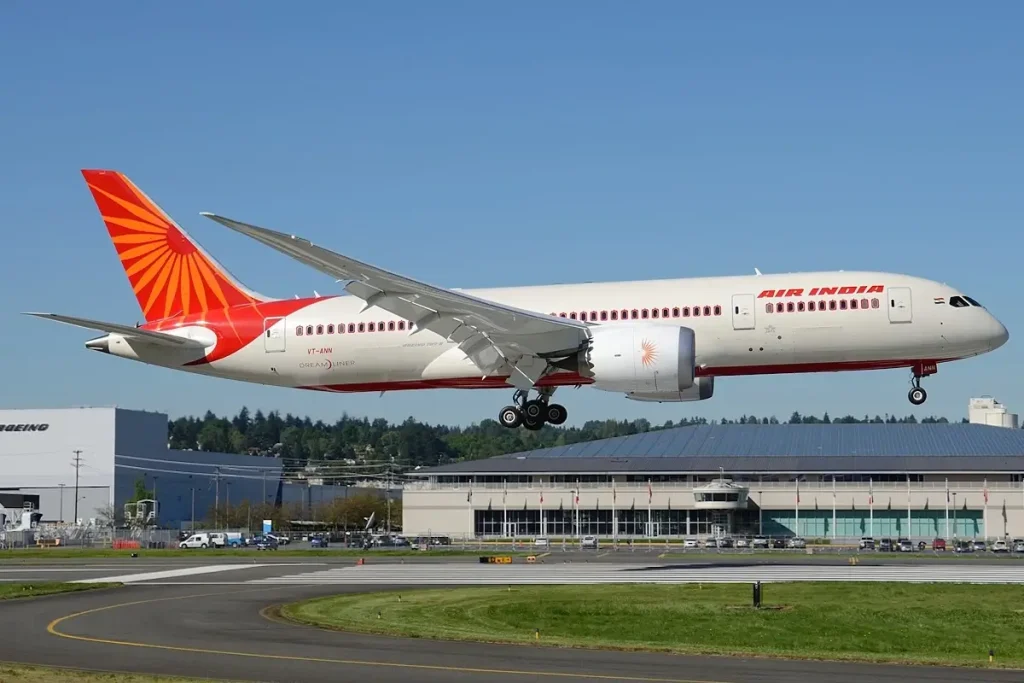
Air India is laying the groundwork for a fundamental rise in its home country. Still, its path to this endpoint isn’t guaranteed, representing one of the most expensive and ambitious turnarounds the industry has seen, and crises over the years haven’t helped timelines.
What Can Fresh Funding Do?
Fresh funding that Air India is pursuing will likely be less than it needs, according to sources, and while this may necessitate seeking financial support from other angles, it is at least a start for the damaged business.
A simple cash injection allows the airline to extend its runway financially, manage debt, and work on its capital structure amid ongoing upper-management transitions. That money can be key to fleet investments, funding retrofits that have been delayed, improving MRO/engineering efficiency through outsourcing and cost savings, and IT systems to streamline processes and make the business cheaper and leaner for the future.
However, this is not the first time the flag-carrier has been desperate for additional funding. In November 2025, the airline was reported to be requesting more than USD 1 billion in financial aid as part of its overhaul efforts.
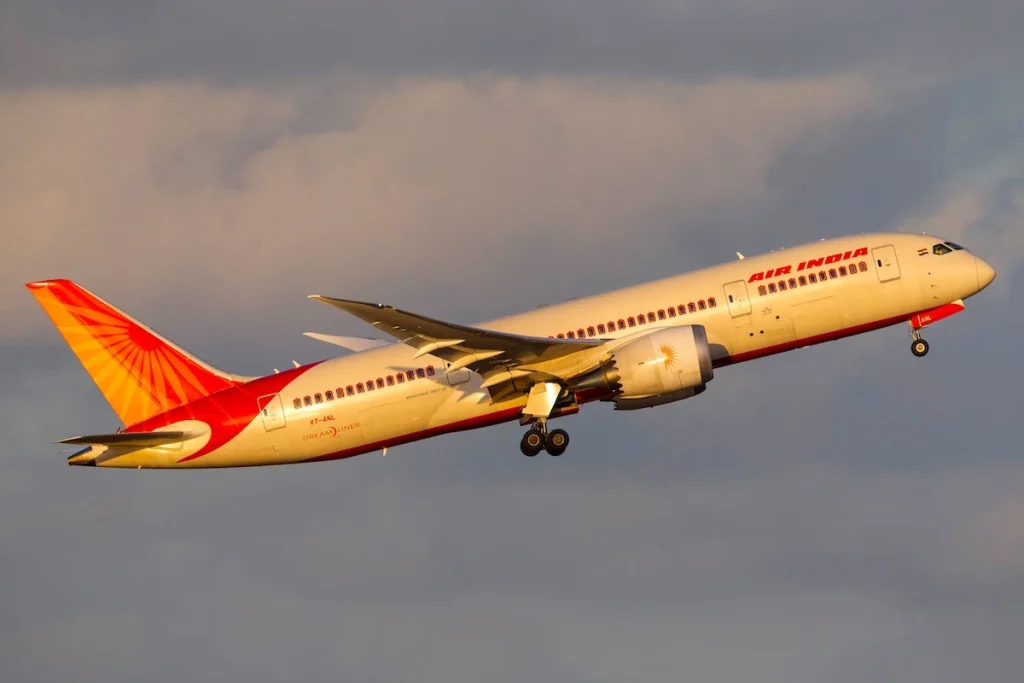
Even if secured, the prospective cash injection will not be the saviour the business hopes for, but rather a short-term measure to bring greater stability on the back of an $800 million jump in losses in the recent financial year.
Bottom Line: Lifeline, but Work Needed
Air India’s cash plea underscores its damaged turnaround and the weakness it faces amid external and internal shocks that combine in quick succession, leading to a $2.4 billion loss in the financial year.
However, structural fixes are needed beyond cash; the business must cut debt, restructure route expansion, and stabilise key areas, while making long-ingrained cultural changes that allow the turnaround to deliver results.
Right now, the cash injection would give Air India short-term stability, but not ultimately fix the long-standing problems, that a multi-year effort requiring patience and strategy, not just money thrown at it.

ABOUT THE AUTHOR
Daniel Fowkes is a Melbourne-based aviation analyst and journalist with over a decade of industry experience. As founder of Dj’s Aviation, he delivers trusted analysis on aircraft, airline strategy and global aviation trends for djsaviation.net
Related Articles




Stay Informed
Get the latest aviation news, analysis and route updates delivered to your inbox.
We respect your privacy. Unsubscribe at any time.
Enjoyed this story?
Make us your go-to for aviation news
Add us as a preferred source on Google and see our latest stories first in Top Stories.
Add Us On Your News FeedRelated articles
· Airlines
Allegiant Air Buys Six More 737-8s From Boeing
Daniel Fowkes
26/10/2026
· Airlines
Emirates vs Qatar Airways: The Gulf Superhub Rivalry Compared
Bryan Shelmon
26/10/2026
· Airlines
Riyadh Air Is Moving Away From Riyadh
Daniel Fowkes
26/10/2026
· Airlines
Emirates Isn’t Worried At All
Daniel Fowkes
25/10/2026