

Air Canada is continuing to plan for the future of its operations, with an exciting new aircraft set to debut in 2026: the A321XLR.
The flag carrier, discussing the aircraft in a recent blog post, emphasised the new era of international growth that will be made possible thanks to the acquisition of the plane.
According to current forecasts, the A321XLR is expected to begin testing and certification in the early months of 2026. By summer 2026, it is anticipated that the aircraft will enter full commercial service, with already announced routes.
The A321XLR will be the launch platform for many of the new features that customers will see across the Air Canada fleet. It’s going to come with a new look and feel in the cabin, and that is something that will be rolled out across the entire Air Canada fleet.
Air Canada will take delivery of 30 Airbus A321XLRs; the first aircraft is expected to be leased from Air Lease Corporation, and 2026 is anticipated to be a critical year for deliveries of this new jet.

Current forecasts indicate that the airline plans to receive 10 A321XLR jets in the same year, enabling rapid expansion of its international network.
The A321XLR acquisition also follows the understanding that the mainline division will eventually bid farewell to the 737 MAX as it begins its transition towards the Rouge branding, part of a single-aisle shakeup.
Examining The Airbus A321XLR
Air Canada also took the opportunity to discuss the decisions for route selections involving the Airbus A321XLR, which is a significant undertaking in itself.
The airline’s Vice President of Network Planning and Scheduling, Alexandre Lefevre, said that when opening new routes, it’s essential to examine the economics of the potential route.
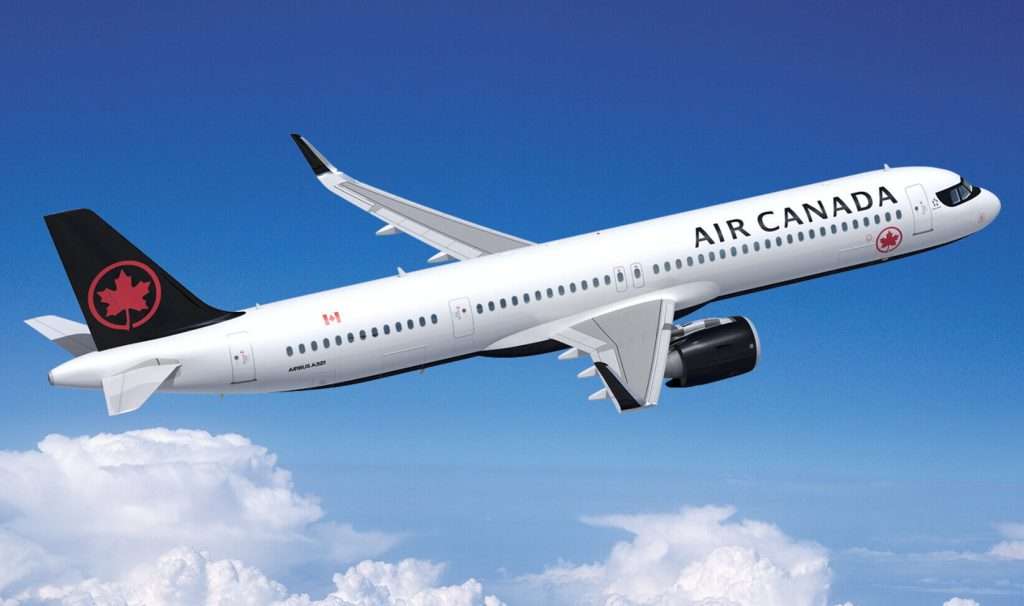
The airline recognises that the A321XLR is a tool that’s fundamentally different from the existing tools in its toolbox, and because of this, the airline knows that new markets can be launched.
These new markets, which can now be launched, were once not viable or profitable enough to open. However, with the next-generation efficiency of the single-aisle, new possibilities emerge, which necessitate extensive studies for the business.
The A321XLR, moving forward, will indeed, according to the airline, be used to help replace some of its older aircraft. At its heart, the A321XLR is being utilised for growth, particularly on an international level.
Air Canada believes that the size, range, and capabilities will enable it to maintain a year-round presence in specific new international markets where, in the past, there was no available aircraft that met the requirements.
Many of the limitations previously addressed will be mitigated by the A321XLR, particularly the size aspect. Larger aircraft have previously been too large for specific markets to support year-round operations, which can now change with the introduction of the Airbus single-aisle model.
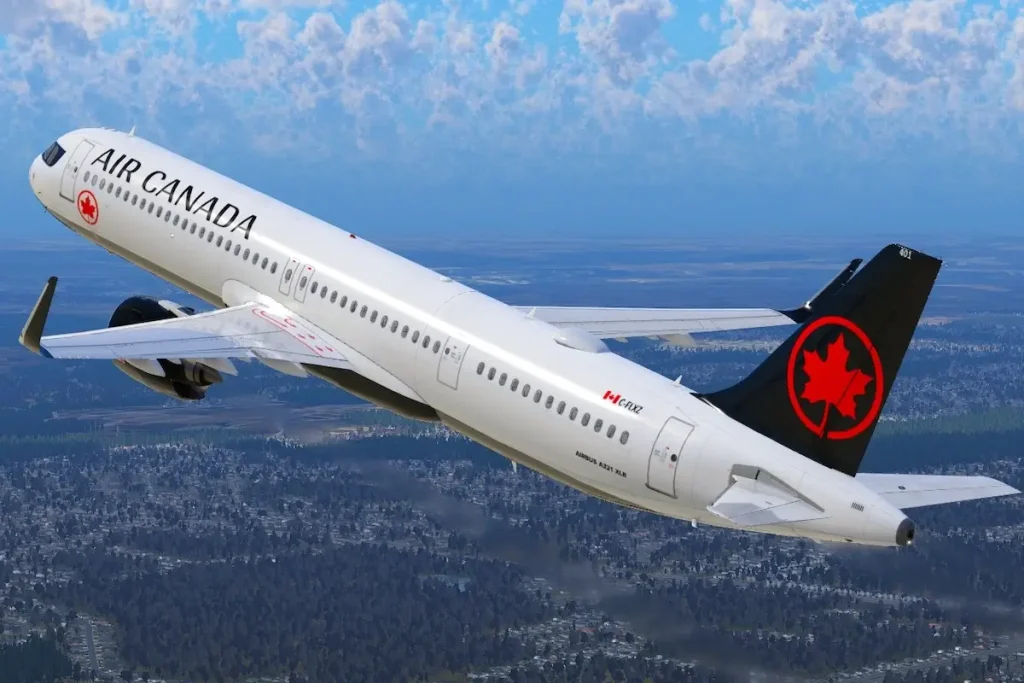
Described as a versatile machine, it can operate not only domestic but also transcontinental routes and fly on international markets. The ability to leverage the lie-flat seats between Montréal and the West Coast is also something that’s appealing to the business.
Air Canada’s Route Announcement
In September, in preparation for the arrival of the Airbus A321XLR, the Canadian flag carrier confirmed its first route.
The inauguration of the brand-new aircraft will take place between Montréal (YUL) and Palma de Mallorca (PMI), a Spanish island in the western Mediterranean, with flights now on sale for around a month.
Air Canada states that AC924 will be the designated departure number, with takeoff scheduled for 1845 on Mondays, Wednesdays, Fridays, and Saturdays, and a next-day arrival at 0825.
Meanwhile, the return flight AC925 will depart Palma de Mallorca at 1215 and arrive back in Montréal the same day at 1510, all these times are local to their respective cities.

Air Canada’s service debut is scheduled to take place on June 17, 2026, with the route running through to October 23, 2026, to meet the peak summer demand between the markets.
Away from this confirmed route, Air Canada also took the opportunity to announce that the A321XLR would fly to Toulouse and Edinburgh in 2026 from Montréal.
Montréal serves as a key gateway across the Atlantic for the Canadian flag carrier, with many more routes to be announced in due course with the introduction of the next-generation aircraft type.

ABOUT THE AUTHOR
Daniel Fowkes is a Melbourne-based aviation analyst and journalist with over a decade of industry experience. As founder of Dj’s Aviation, he delivers trusted analysis on aircraft, airline strategy and global aviation trends for djsaviation.net
Leave a Reply
Related Articles




Stay Informed
Get the latest aviation news, analysis and route updates delivered to your inbox.
We respect your privacy. Unsubscribe at any time.
Enjoyed this story?
Make us your go-to for aviation news
Add us as a preferred source on Google and see our latest stories first in Top Stories.
Add Us On Your News Feed
very goid to see. Halifax would be a great getaway point .
How many seats ?
I’m excited about this new Air Canada development. I recently flew to Narita from Pearson. Will this route benefit from the new aircraft?