
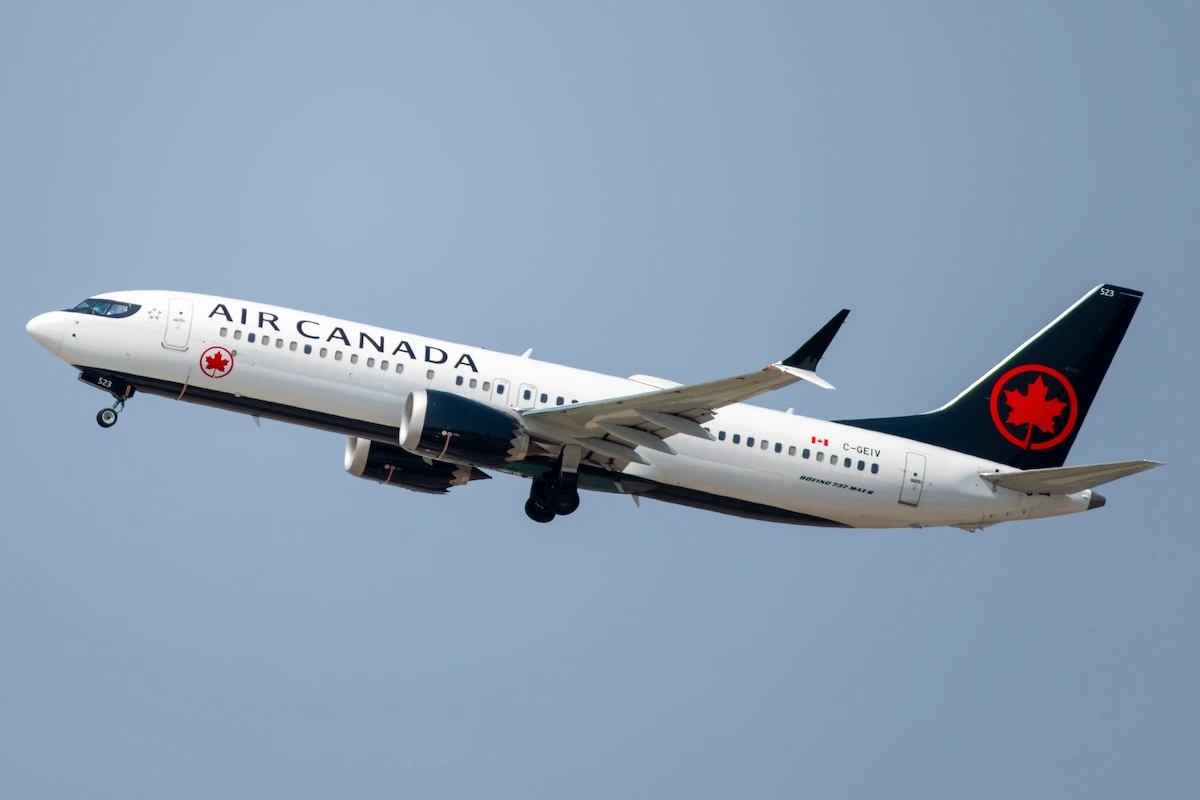
Air Canada has transferred its first Boeing 737 MAX 8 to its low-cost subsidiary, Rouge, as part of ongoing fleet renewal efforts.
The transfer of the aircraft sees not only the Air Canada Rouge division transform but additionally represnets a strategic shift in how the mainline division plans to operate moving forward.
But, what are the inner details, why is the Canadian flag-carrier making this decision and what’s the future of the business following this move?
Details Of The 737 MAX Transfer
Registered as C-FTJV, this 737 MAX, delivered to the Canadian flag carrier in October 2017, is the first model to be transitioned to the low-cost subsidiary, Rouge, and is undergoing its cabin retrofit in Kelowna (YLW). It is expected to return to service in the coming years.
As part of the transfer, the airline will also undergo cabin refits, deemed imperative because the jets will need to match the routes they will be deployed on, which can vary significantly given Rouge’s target leisure markets.
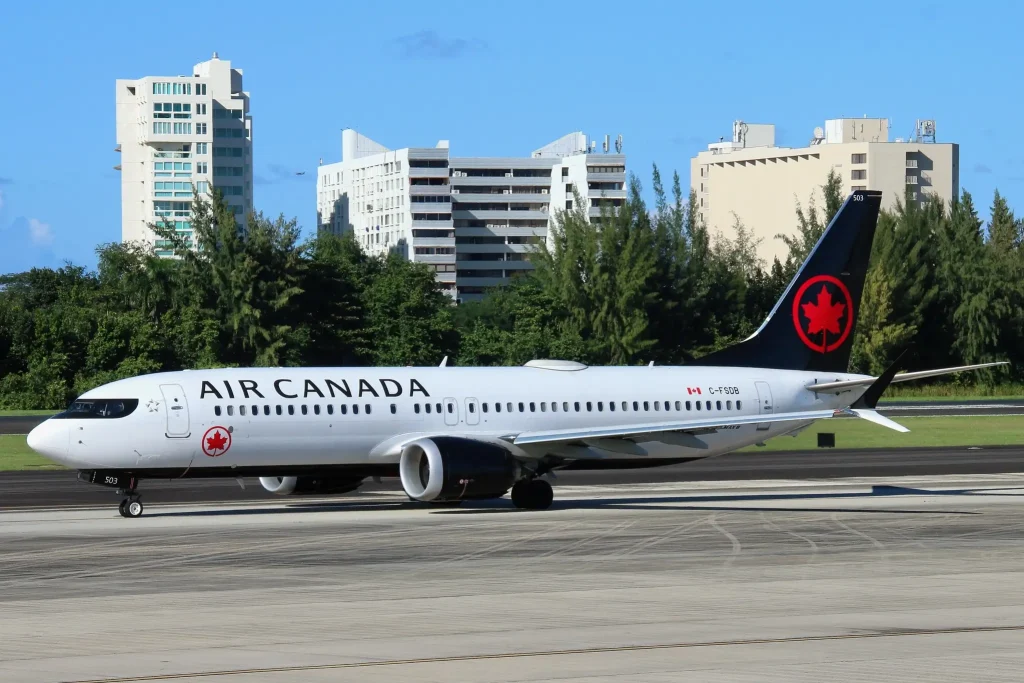
The changes will therefore see an increase in economy class seats, with 16 business class seats dropping to 12 and 153 economy seats rising to 165. As part of the sweeping changes, all other amenities will be maintained.
While the 737 MAXs will undergo a cabin layout overhaul, they will not, for the moment, adopt the dedicated livery of the Rouge division; instead, they will feature a sticker indicating they are not flying under the mainline brand.
Why Air Canada Is Doing This
Air Canada’s transition from the Boeing 737 MAX to the Airbus A321XLR for mainline operations prioritises range and efficiency, while ensuring flexibility and capacity across the airline’s network.
The A321XLR boasts a range that’s even stronger than the 737 MAX, which makes service between long and thin markets, focusing on secondary cities, possible without the need for a widebody aircraft.

Commonality within the airlines’ operations can also be achieved; however, beyond the mainline decisions, consideration should also be given to the desperate renewal of the Air Canada Rouge fleet, where its Airbus A320 family is only continuing to age.
With renewal a key focus, changes within the Group are taking shape, and the accelerated fleet renewal is coming from within, thanks to the transfer of these 737 MAX aircraft, which will in turn slash overall costs and take these much older planes out of the skies in favour of newer ones to improve the bottom line.
What’s Happening To Air Canada’s Fleet?
Air Canada’s removal of the Boeing 737 MAX 8 from its mainline fleet clears the path for a transition towards all Airbus single-aisle jets.
For the company, this enables not just the standardisation of its premium cabins and a streamlined business, but also ensures, even down to maintenance, that greater synergies are achieved, with flexible operational efficiency across routes.
Leading into the transition to Airbus is the Airbus A220-300 model, which has been in service for some time and is continuously delivered, serving markets on short- to medium-haul routes.
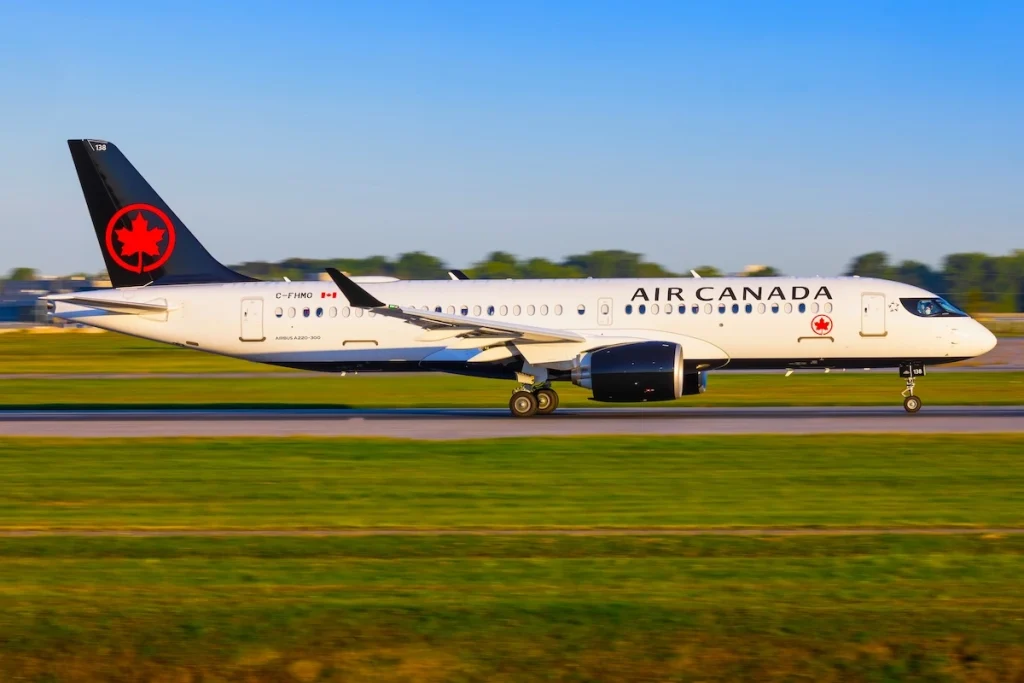
However, it’s next to the Airbus A321XLR, which is hotly anticipated in the short term and is expected to overhaul how the airline serves its short-haul network and open up key city pairings on international services that may not have been viable before but are now within reach year-round.
While the 787 continues to lead the airlines’ widebody transition, it’s now Airbus’ role, with the removal of the 737 MAX from the mainline fleet, that’s expected to represent the future of single-aisle operations truly.

ABOUT THE AUTHOR
Daniel Fowkes is a Melbourne-based aviation analyst and journalist with over a decade of industry experience. As founder of Dj’s Aviation, he delivers trusted analysis on aircraft, airline strategy and global aviation trends for djsaviation.net
Related Articles




Stay Informed
Get the latest aviation news, analysis and route updates delivered to your inbox.
We respect your privacy. Unsubscribe at any time.
Enjoyed this story?
Make us your go-to for aviation news
Add us as a preferred source on Google and see our latest stories first in Top Stories.
Add Us On Your News Feed