
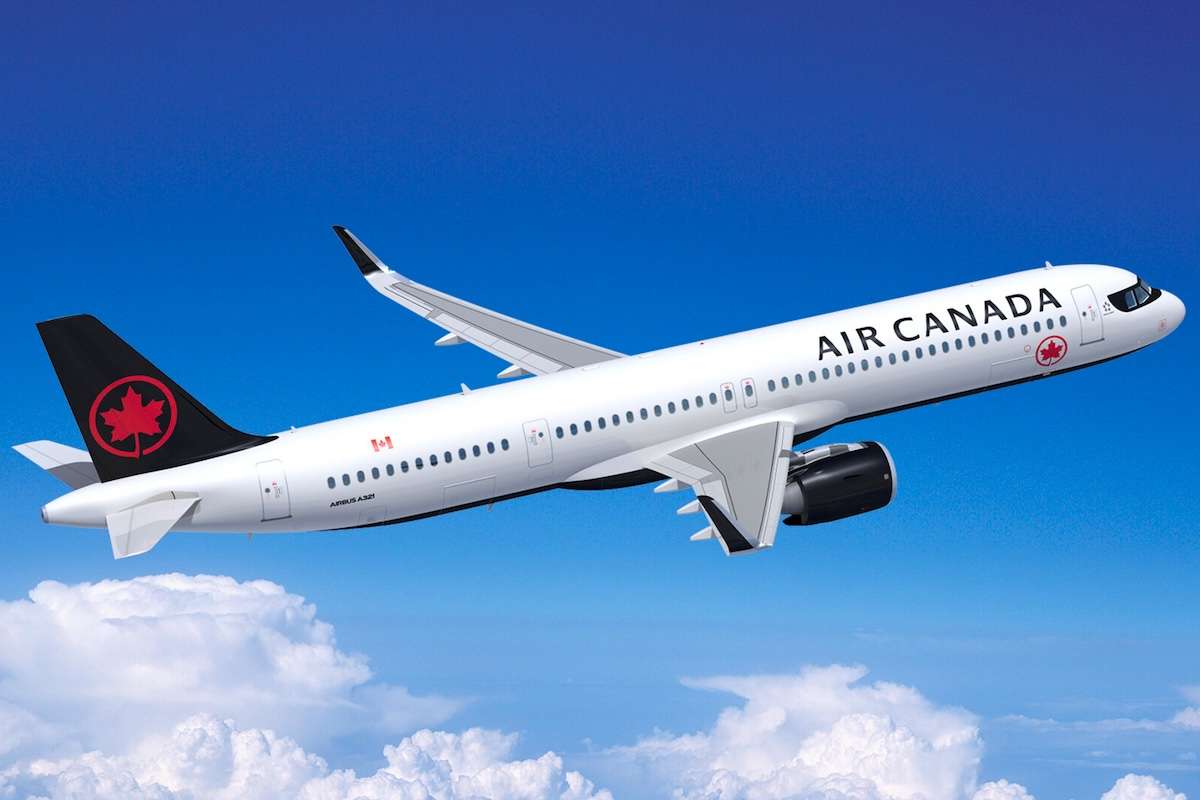
Air Canada’s A321XLR is inching closer to a highly anticipated launch with a first scheduled flight expected in the next month.
The aircraft, Air Canada’s newest single-aisle jet, entered the Canadian flag carrier’s fleet with its first delivery in the last week of April 2026. It’s now ready for its first passenger flight.
Schedule filings flagged by aeroroutes.com are ever-evolving, given the sensitive nature of a new aircraft deployment, with the aircraft set to commence operations within the next month.
The First Airbus A321XLR Flights
Under current forecasts, Air Canada will look to deploy the A321XLR on a domestic rotation first, with a short-hop service from Montreal to Toronto Pearson, welcoming the aircraft on 9 June, 2026.
AC413 is scheduled to depart Montreal at 1310 and arrive in Toronto at 1438. Meanwhile, the return flight AC422 departs Toronto at 1800 and arrives in Montreal at 1921.
Following this less-than-90-minute flight, Air Canada will shift the XLR to a longer domestic run between Montreal and Calgary. This short stint will see deployment from 10 June 2026 through 14 June 2026.
The calculated deployment on a domestic basis isn’t a surprise. It follows a pattern seen industry-wide for new aircraft such as these, with key testing phases before the jets move into their broader, originally planned commercial service strategy.
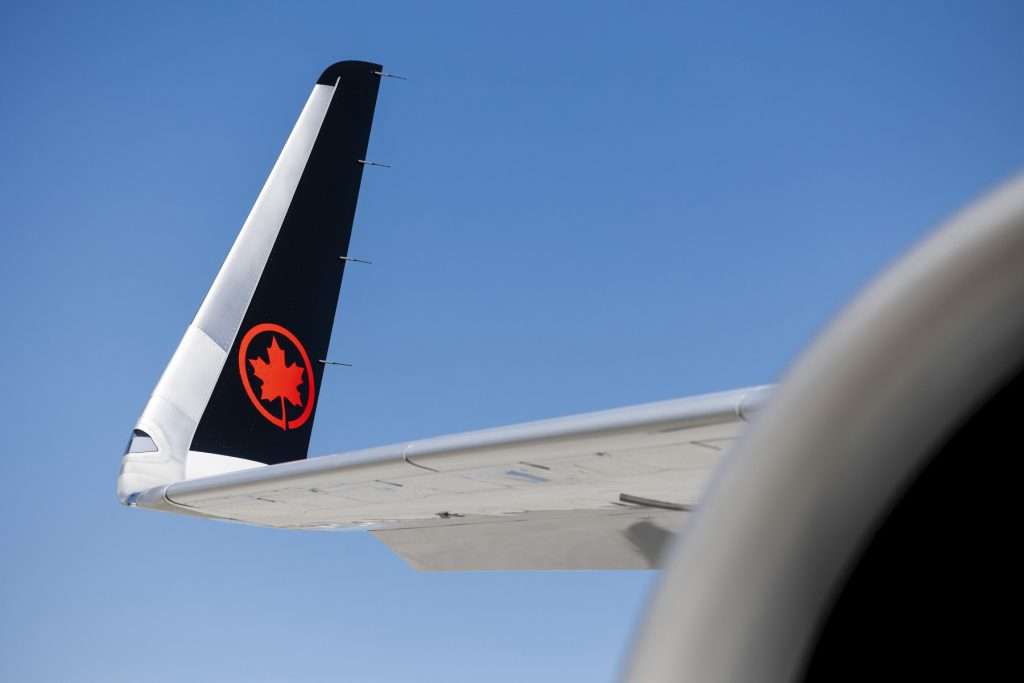
Now the crew will have the opportunity to validate the aircraft in a shorter, normal operational setting before the aircraft is eventually sent on longer transatlantic sectors, as it has been ordered to do in the coming months.
Whether it’s single-aisle or widebody, the decision to offer service on short-haul flights initially is an important introduction for a new type, with cabin systems, crew training, and confidence with existing systems built up to ensure that, when long-haul flying commences, no hiccups occur.
A Key Aircraft For Air Canada
Air Canada’s order for the Airbus A321XLR was placed around the time of the program’s launch and before the end of the 2010s. As such, its debut has been especially highly anticipated for the single-aisle operation.
The deployment of the Airbus A321XLR will especially enable the opening of thinner long-haul routes without the need for the flag carrier to commit to a widebody aircraft, which, if sent on thin routes, would bring more negatives than positives.
The A321XLR’s flexibility is what makes it so vital to the network build deep into the 2030s and to address the drive to expand market share in new and emerging cities. That is especially felt in markets that, with the current fleet mix, would be perceived as unprofitable to serve, even if demand were present and opportunities thus existed.
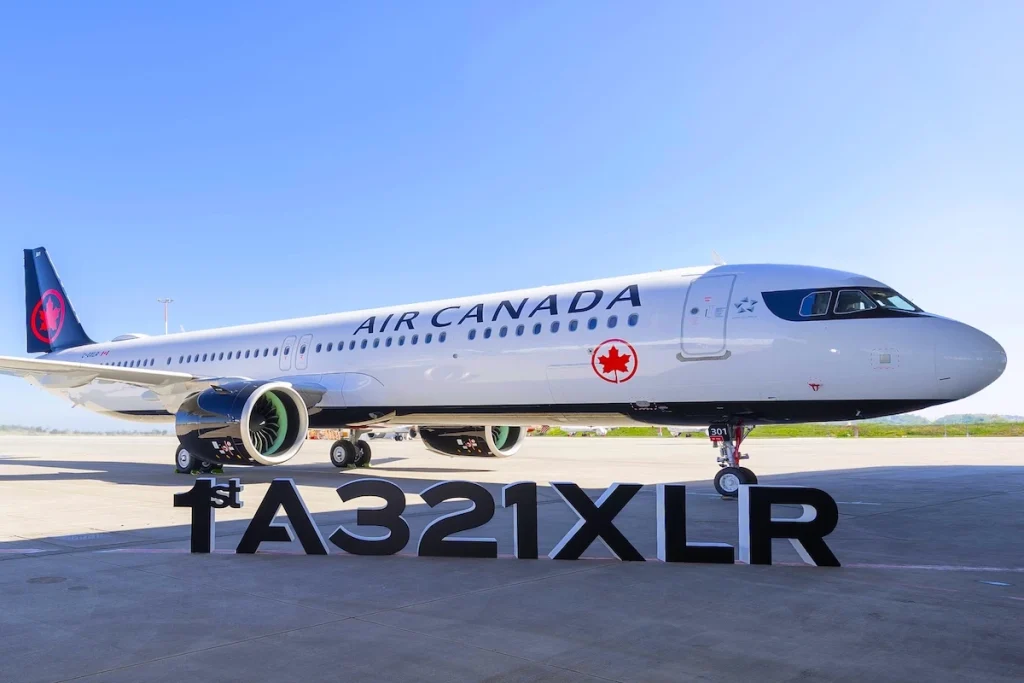
With the 737 MAX’s shift to the Rouge division, the XLR isn’t just about opening new possibilities; it’s now about restructuring the single-aisle network by relying on Airbus-produced aircraft, with the XLR complementing the A220’s role as a regional jet.

ABOUT THE AUTHOR
Daniel Fowkes is a Melbourne-based aviation analyst and journalist with over a decade of industry experience. As founder of Dj’s Aviation, he delivers trusted analysis on aircraft, airline strategy and global aviation trends for djsaviation.net
Related Articles




Stay Informed
Get the latest aviation news, analysis and route updates delivered to your inbox.
We respect your privacy. Unsubscribe at any time.
Enjoyed this story?
Make us your go-to for aviation news
Add us as a preferred source on Google and see our latest stories first in Top Stories.
Add Us On Your News FeedRelated articles
· Airlines
Allegiant Air Buys Six More 737-8s From Boeing
Daniel Fowkes
26/10/2026
· Airlines
Emirates vs Qatar Airways: The Gulf Superhub Rivalry Compared
Bryan Shelmon
26/10/2026
· Airlines
Riyadh Air Is Moving Away From Riyadh
Daniel Fowkes
26/10/2026
· Airlines
Emirates Isn’t Worried At All
Daniel Fowkes
25/10/2026