
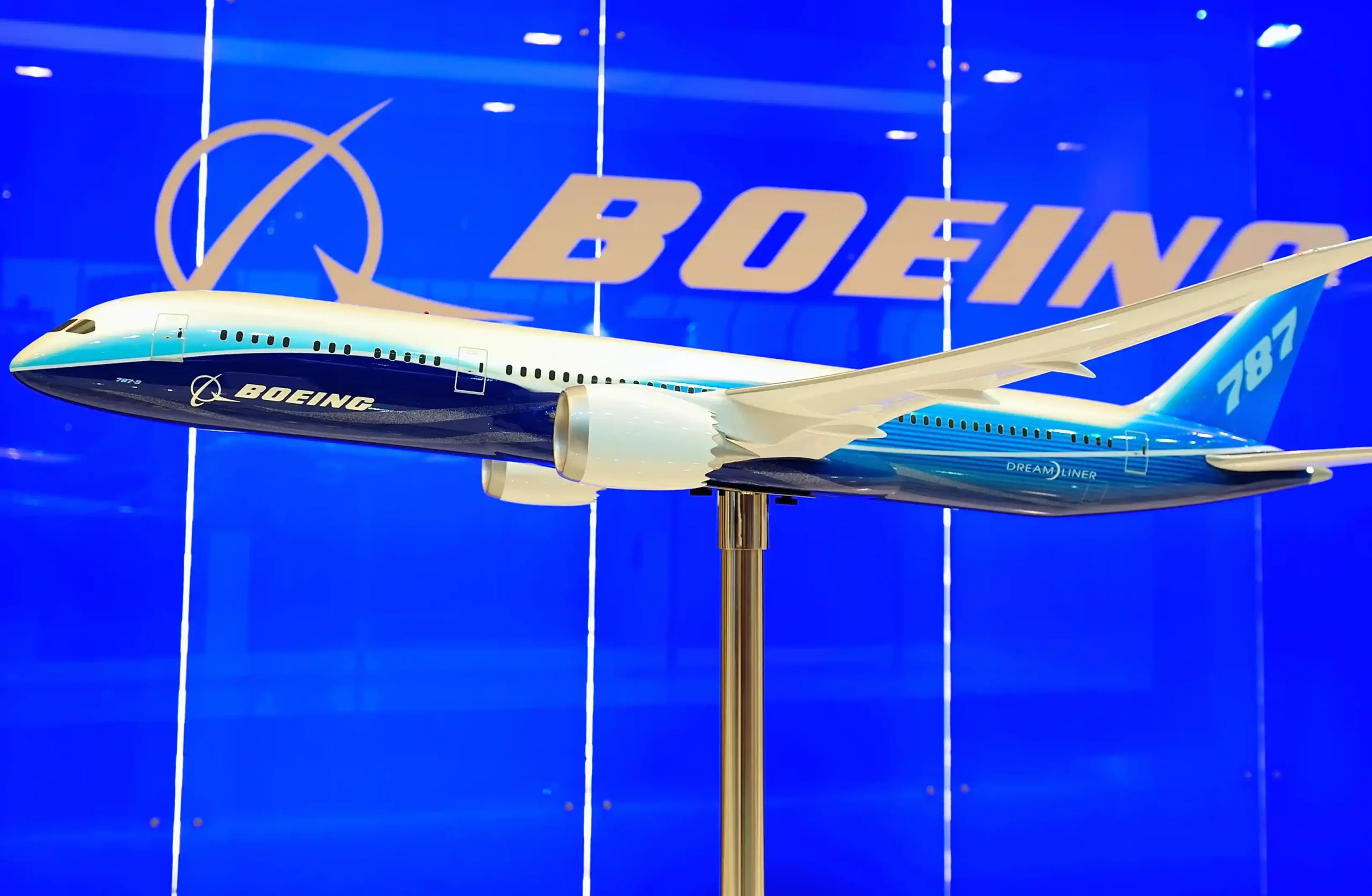
The US Federal Aviation Administration has ordered inspections of several Boeing 787 Dreamliners after identifying a potential manufacturing problem.
Boeing’s latest 787 quality concern centres on discrepancies involving structural shim gaps that exceed the engineering limits set during airframe production.
The FAA directive is significant because excessive gaps and the resulting installation forces could, over time, lead to fatigue cracking around fastener holes on affected aircraft.
FAA Mandates Inspections of Boeing 787s
The final airworthiness directive follows a previous investigation driven by Boeing, which examined potential production errors and identified shim gaps that may exceed the permitted engineering allowance.
When the finding was flagged, the planemaker moved swiftly to inform the regulator and take the necessary steps to secure the in-service fleet and future production aircraft.
The American planemaker’s transparency is central to its turnaround ambitions and reset culture after a decade of problems that have plagued its finances, culture, and reputation.
The shims fill small spaces between adjoining structural components, ensuring loads transfer safely and evenly across the airframe. The FAA directive said that excessive gaps could lead to fatigue cracking at fastened holes over time.
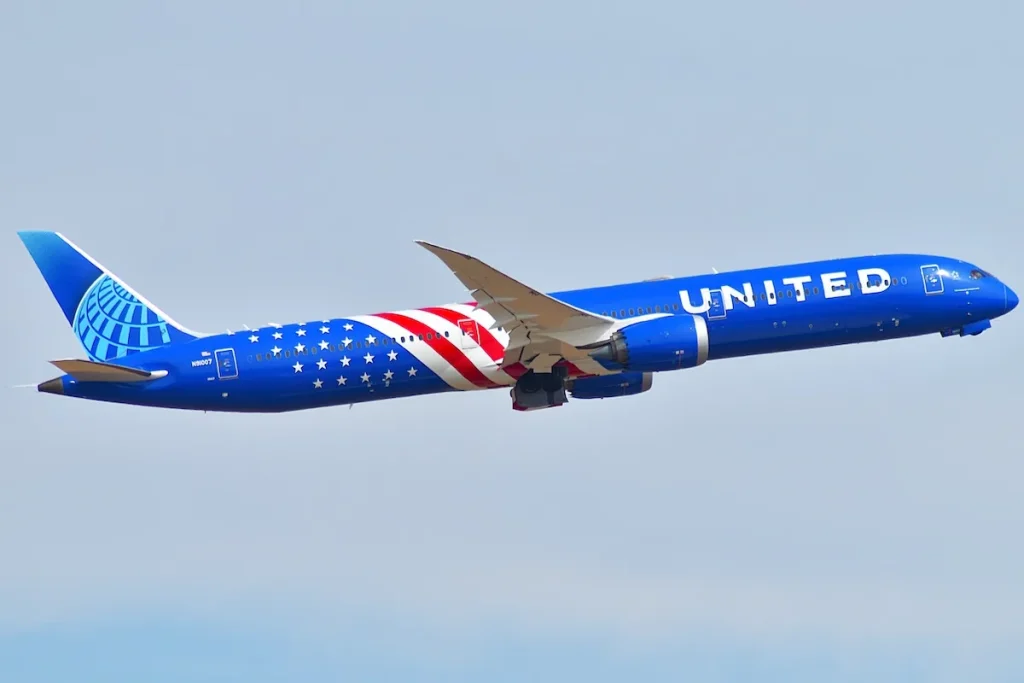
The FAA mandate focused on 17 787s operating in the U.S. and 77 worldwide, out of more than 1,100 in service, based on a previous notice from the planemaker. However, the directive was another precautionary step in addressing existing quality concerns across Boeing’s commercial airplanes division and was part of efforts to improve safety and self-reporting.
Boeing 787 Risk Leads to FAA Action
The FAA’s concern centres not on the immediate risk of the Boeing 787 during flight, but on long-term structural effects as these widebodies age.
The FAA said an immediate operational failure was unlikely; however, repeated pressurisation cycles, aerodynamic loads, and other operational loads can stress fastener locations over time, particularly where components do not fit as intended.
Fatigue cracking at structural joints is a recurring airworthiness concern for regulators including the FAA and EASA. In this case, structural joints with identified fatigue cracking would require repair and thorough inspections in the affected area.
Given the Boeing 787’s carbon-fibre composite fuselage and advanced manufacturing processes, the programme has faced extensive quality-assurance scrutiny. Slower deliveries and production have become a recurring theme for the widebody, as the planemaker has worked through past airworthiness directives.
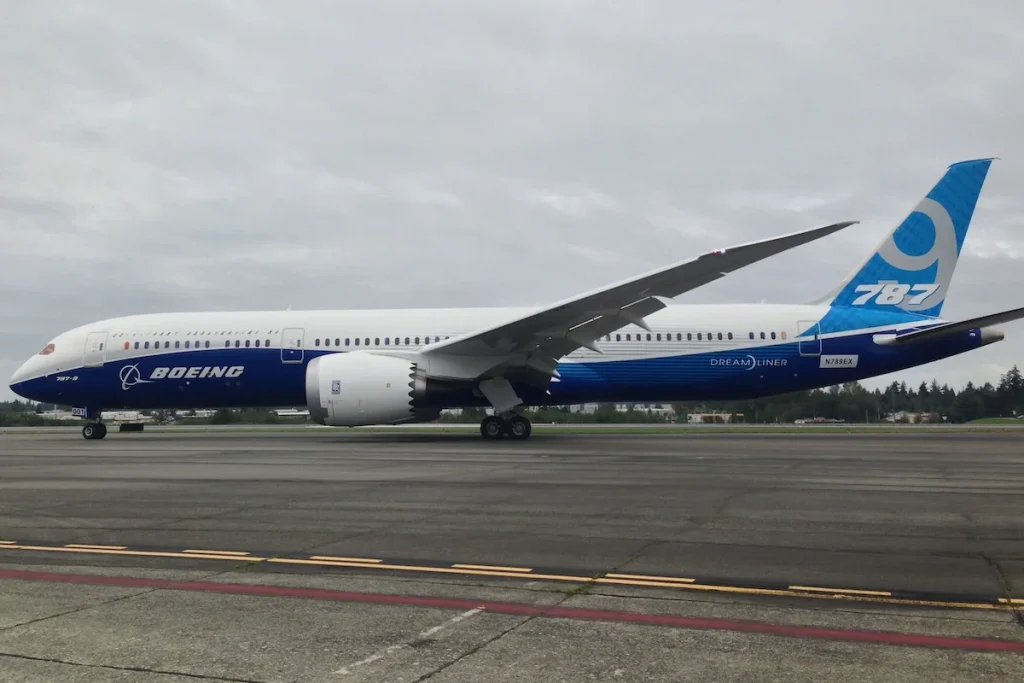
The FAA action also comes as the Boeing 787 continues to position itself globally as a central solution for long-haul fleet plans, across Asia-Pacific, Europe, the Middle East and North America. The combination of the type’s range and efficiency makes it a winning option for renewal and growth.

ABOUT THE AUTHOR
Daniel Fowkes is a Melbourne-based aviation analyst and journalist with over a decade of industry experience. As founder of Dj’s Aviation, he delivers trusted analysis on aircraft, airline strategy and global aviation trends for djsaviation.net
Related Articles




Stay Informed
Get the latest aviation news, analysis and route updates delivered to your inbox.
We respect your privacy. Unsubscribe at any time.
Enjoyed this story?
Make us your go-to for aviation news
Add us as a preferred source on Google and see our latest stories first in Top Stories.
Add Us On Your News Feed